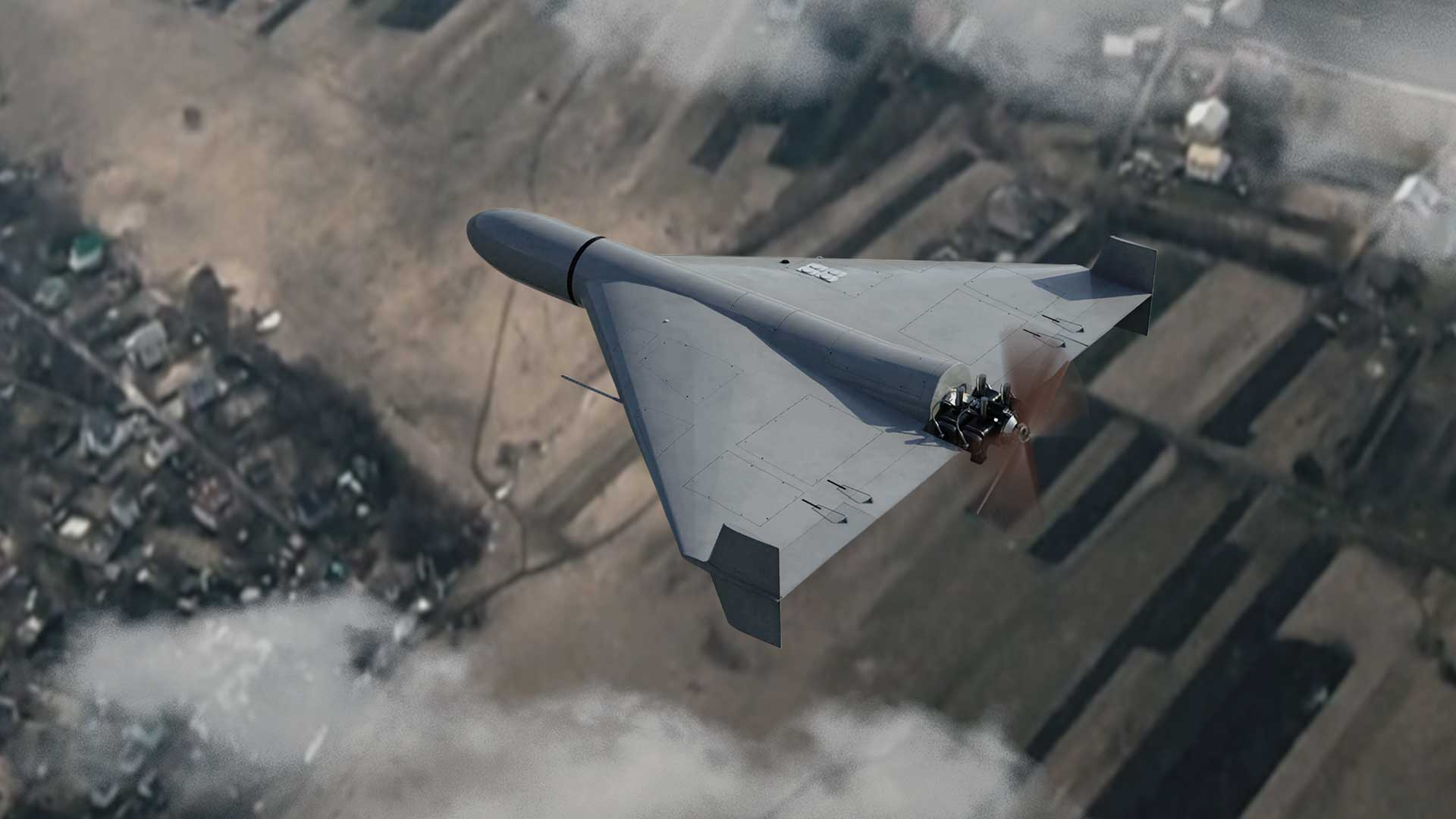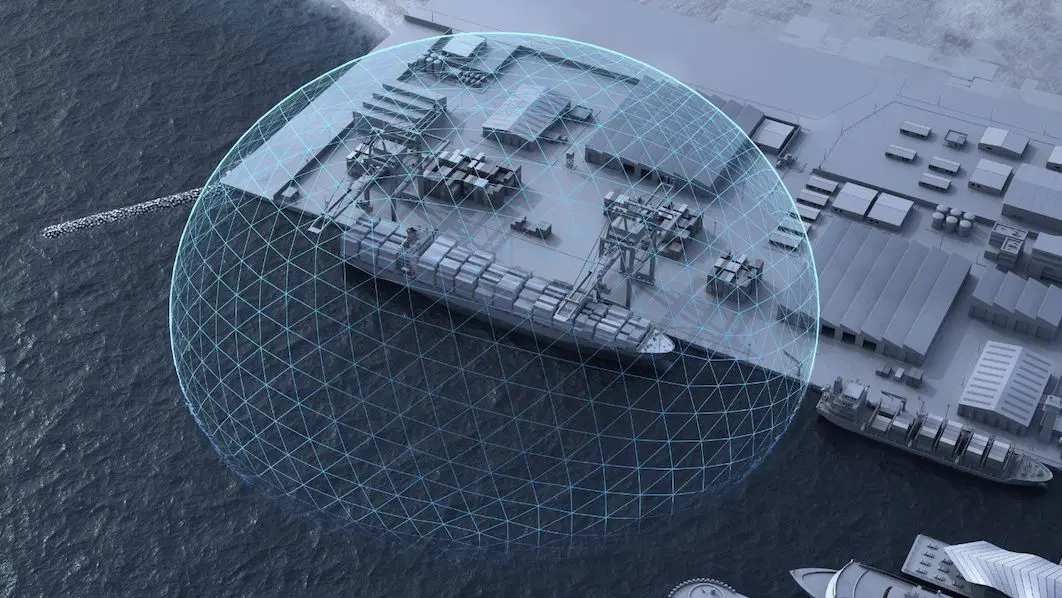
ARTICLE
|
10 July 24
AI and data set to transform maritime industry
AI and data is set to transform the maritime industry, according to MARSS' Business Development Manager, Mike Collier.
PRESS RELEASE
|
08 July 24
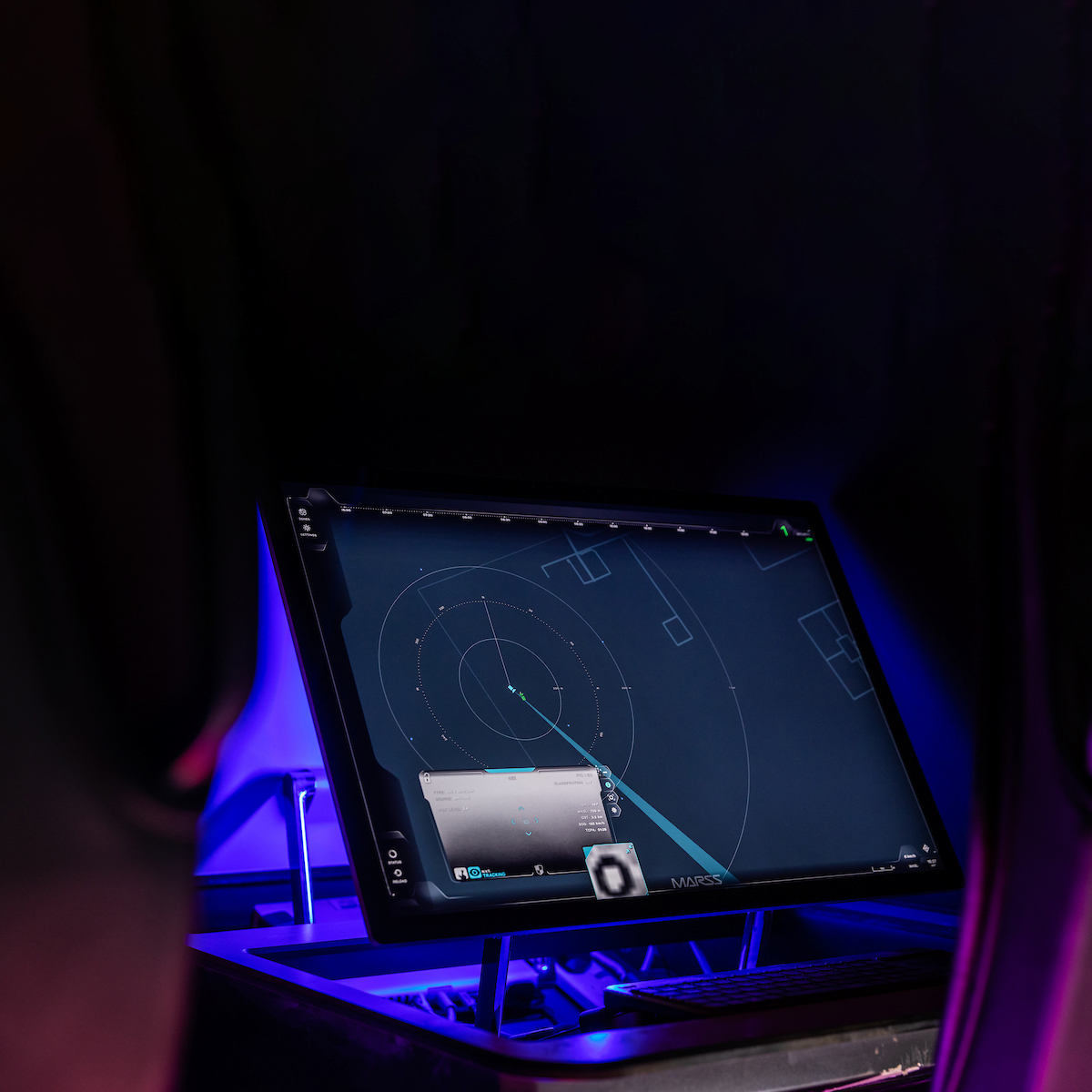
MARSS to demonstrate NiDAR C4 at Red Sands
MARSS Group is gearing up to showcase it’s NiDAR surveillance technology at this year’s Red Sands, demonstrating sensor fusion and end-to-end AI layered defence capabilities, for detection to denial of unmanned aerial systems (UAS).
PRESS RELEASE
|
08 April 24
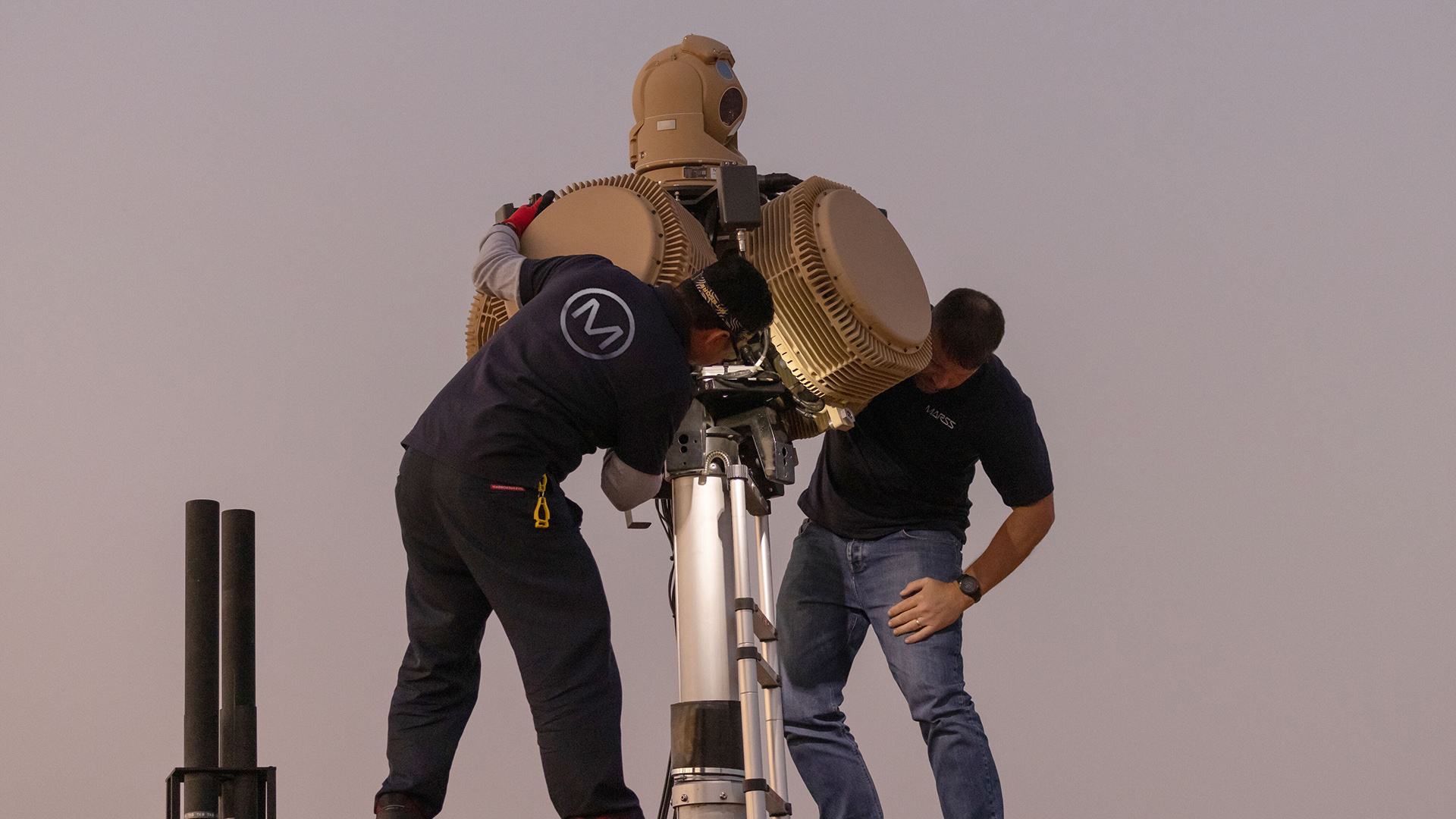
MARSS signs $70million contract to deliver integrated logistic support for Middle East client
MARSS signs $70million contract to deliver integrated logistic support for Middle East client
ARTICLE
|
03 April 24
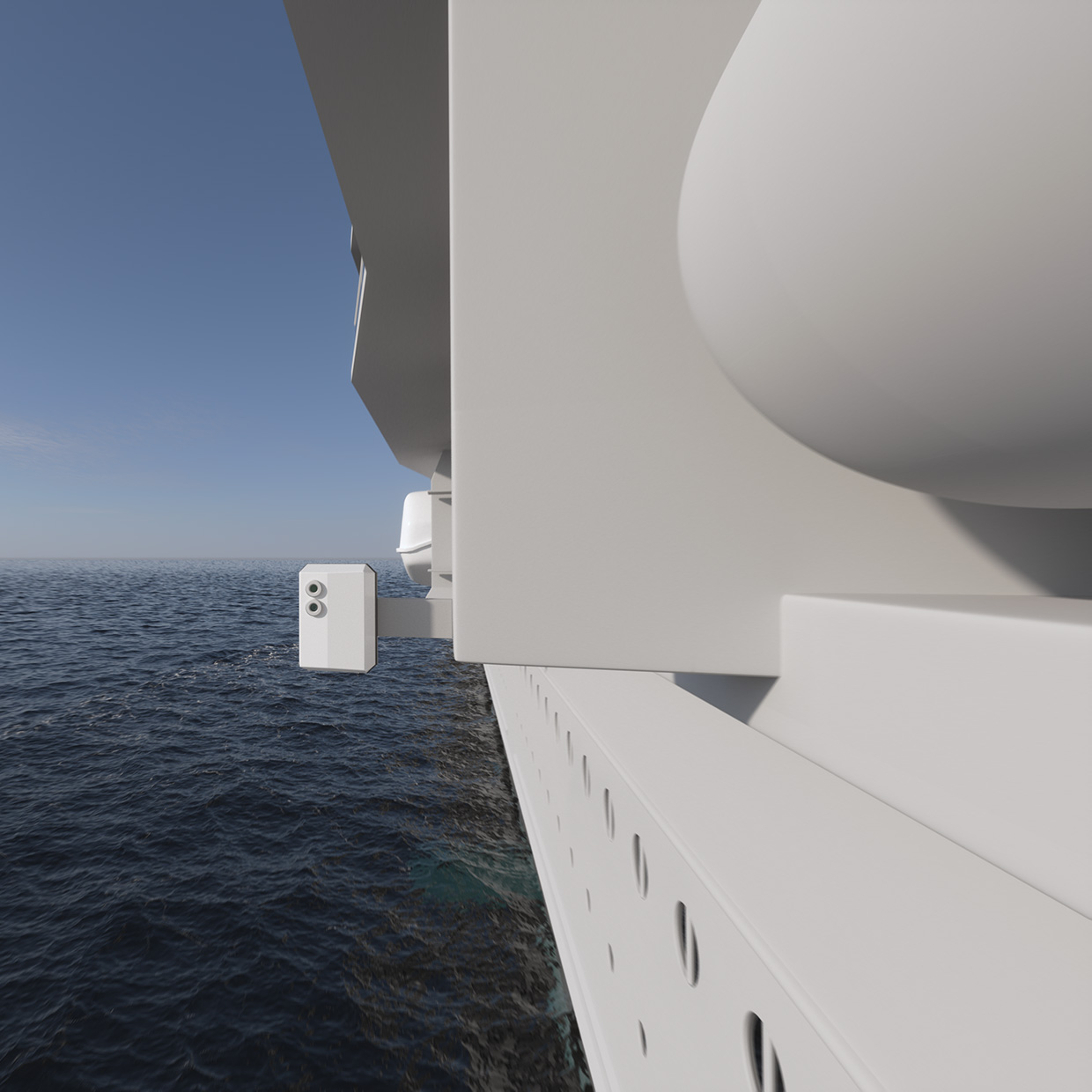
SAFETY AT SEA: OVERCOMING THE CHALLENGES OF MAN OVERBOARD TECHNOLOGY
Man-overboard (MOB) technology is an area that’s attracting increasing attention in the marine industry. Novel capabilities and solutions are being actively designed, developed and deployed to better detect and locate those who have fallen from a ship.

PRESS RELEASE
|
07 February 24
MARSS wins multiple yacht contract awards in early 2024, valued at over $4million
In the wake of a successful 2023, marked by the completion of numerous major contracts, MARSS is happy to share a further contract win for the delivery of its comprehensive CUAS and surface surveillance system, NiDAR, to two prestigious yachts - a primary vessel and its support ship.

PRESS RELEASE
|
06 February 24
MARSS Group to debut NiDAR on front-line combat ships in milestone $20million contract
MARSS Group, a leading provider of AI-powered security solutions, recently announced a landmark contract win valued at over $20m, marking the first time its NiDAR systems will be operational on combat-facing vessels.

PRESS RELEASE
|
05 February 24
MARSS advances critical infrastructure protection with $5.5million RADiRguard integration at key site
MARSS, a global leader in security solutions, will deliver and commission up to 40 of its RADiRguard high security surveillance units for a critical infrastructure site in the Middle East, as part of a significant contract valued at $5.5 million.

PRESS RELEASE
|
12 January 25
Ricardo Massa joins MARSS as Group Chief Financial Officer
Ricardo joins MARSS during a phase of growth and innovation, bringing expertise in financial leadership, strategic planning, and operational transformation.
PRESS RELEASE
|
18 November 24
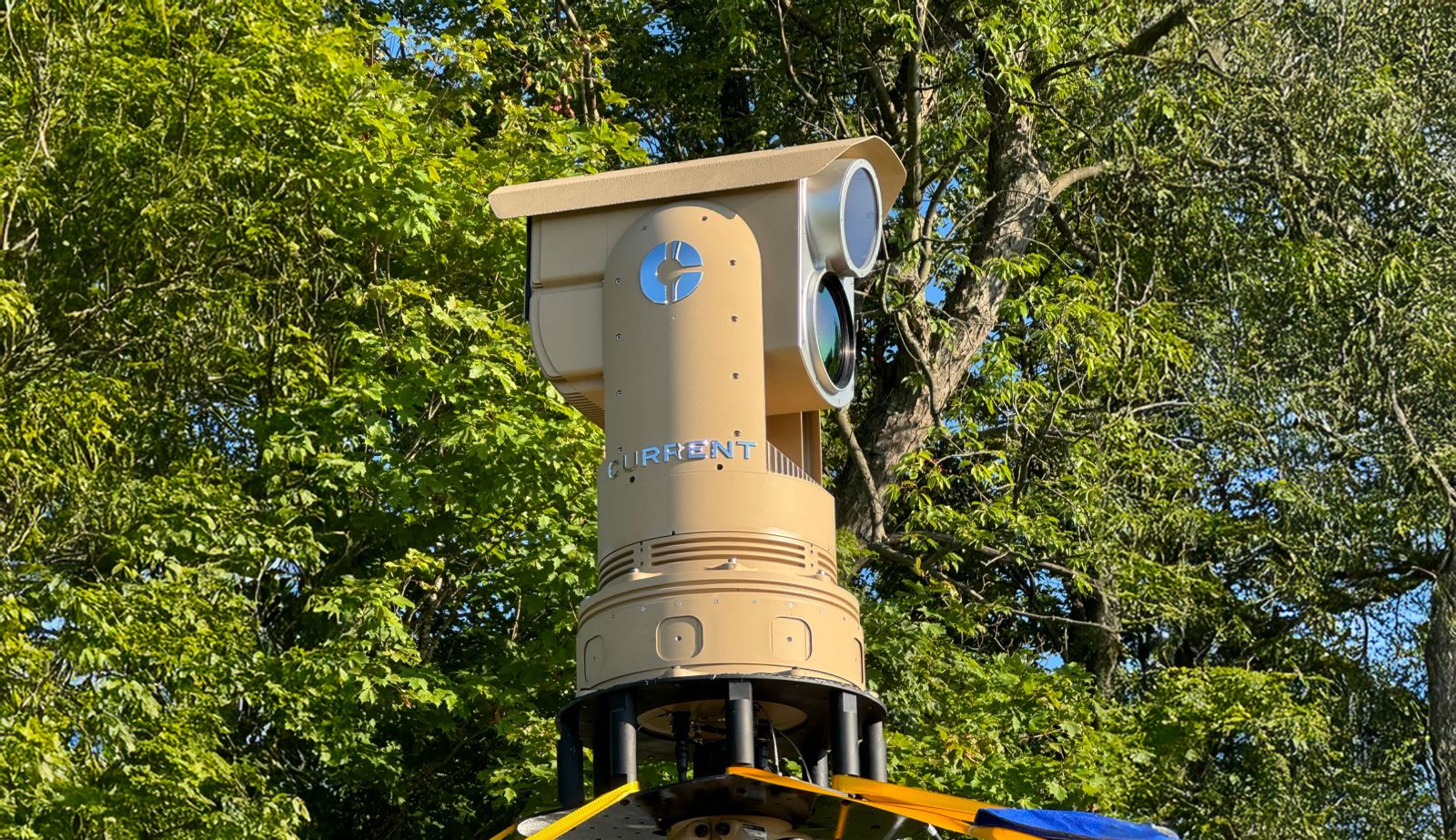
MARSS partnership with CURRENT breaking new ground
MARSS, a specialist defence technology company and global leader in CUAS security, celebrates its near five-year-long relationship with CURRENT, with its integrated systems demonstrated in a recent CUAS defeat experiment in the Middle East.
PRESS RELEASE
|
13 November 24
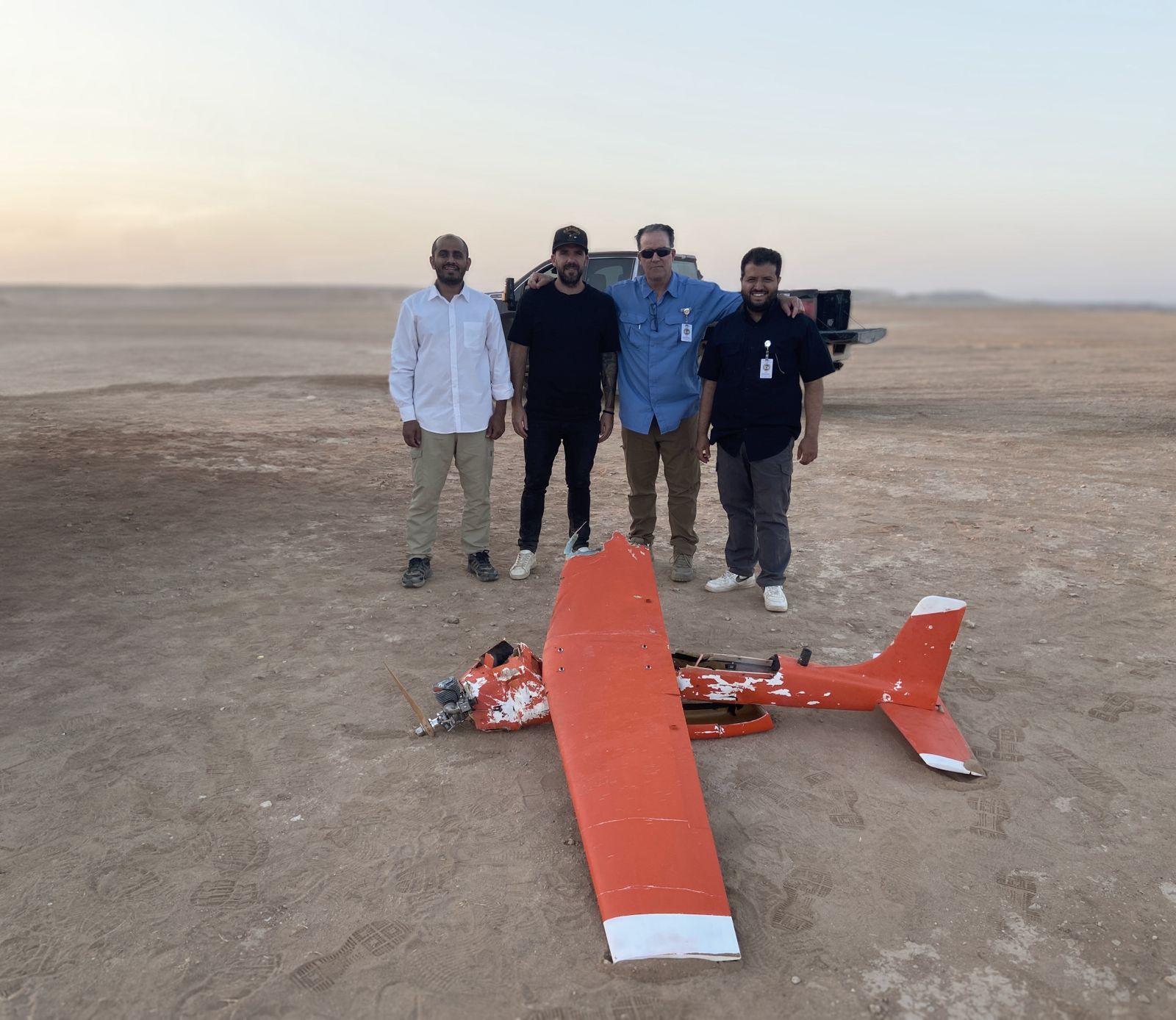
Showcasing world-leading CUAS capabilities with AI-powered platform
MARSS, a global leader in defence technology, has enjoyed a leading role at Red Sands 2024 - showcasing its end-to-end integrated Counter UAS systems.
PRESS RELEASE
|
05 September 24
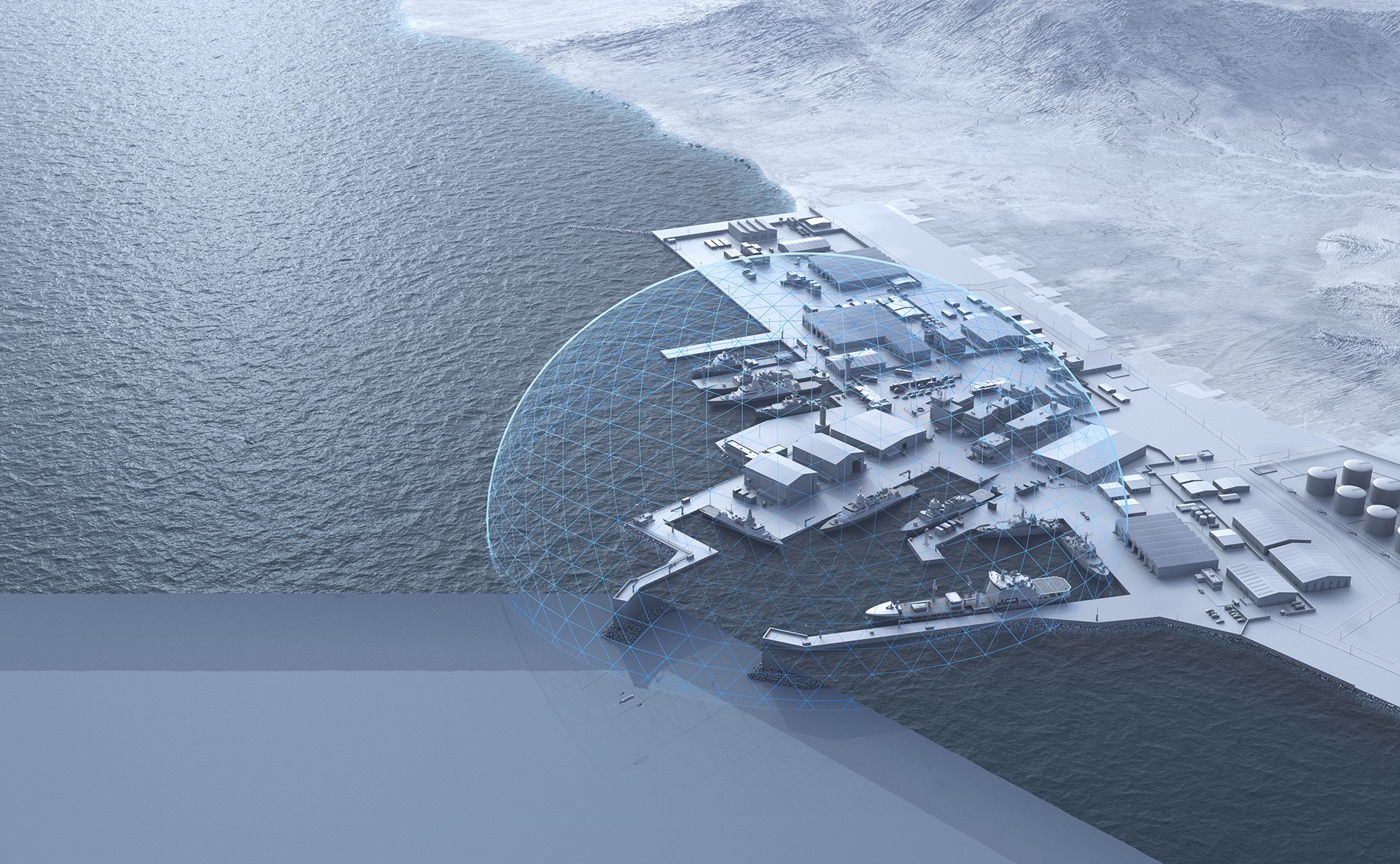
MARSS achieves major milestones in South-East Asian Navy contract
MARSS makes significant progress in its landmark deal to outfit multiple South-East Asian corvette-class combat vessels with its cutting-edge NiDAR platform.
WDS
|
Event
|
19 January 22
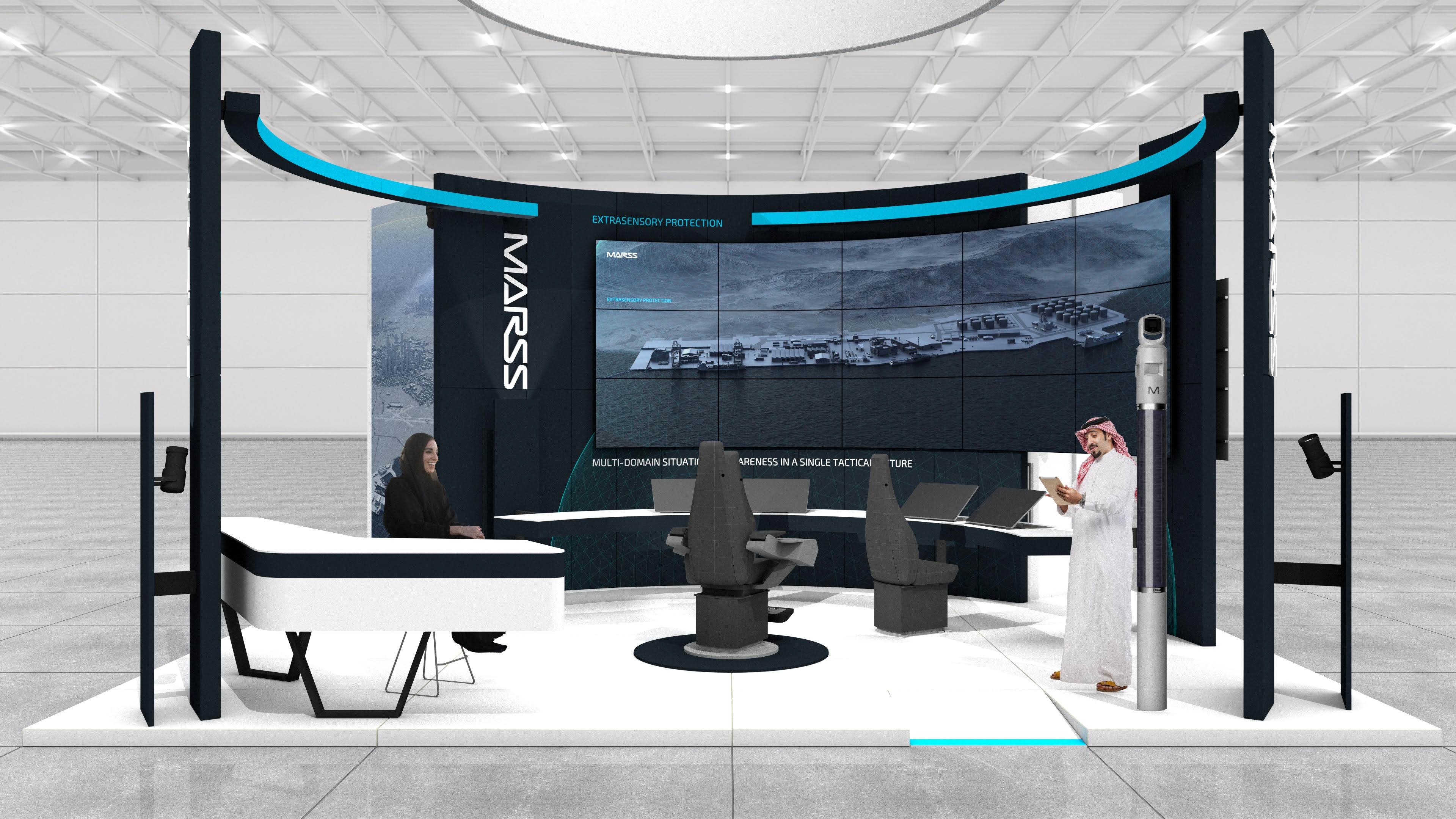
MARSS to showcase interactive NiDAR CUAS C2 at the World Defense Show
MARSS is pleased to announce their attendance at the World Defense Show (WDS) in Riyadh on the 6-9th of March. MARSS will be showcasing a variety of capabilities including NiDAR CUAS in a C2 and expeditionary C2 set up, RADiRGUARD, and a new product launch, aimed at the CUAS market.
Interceptor
|
Event
|
07 March 22
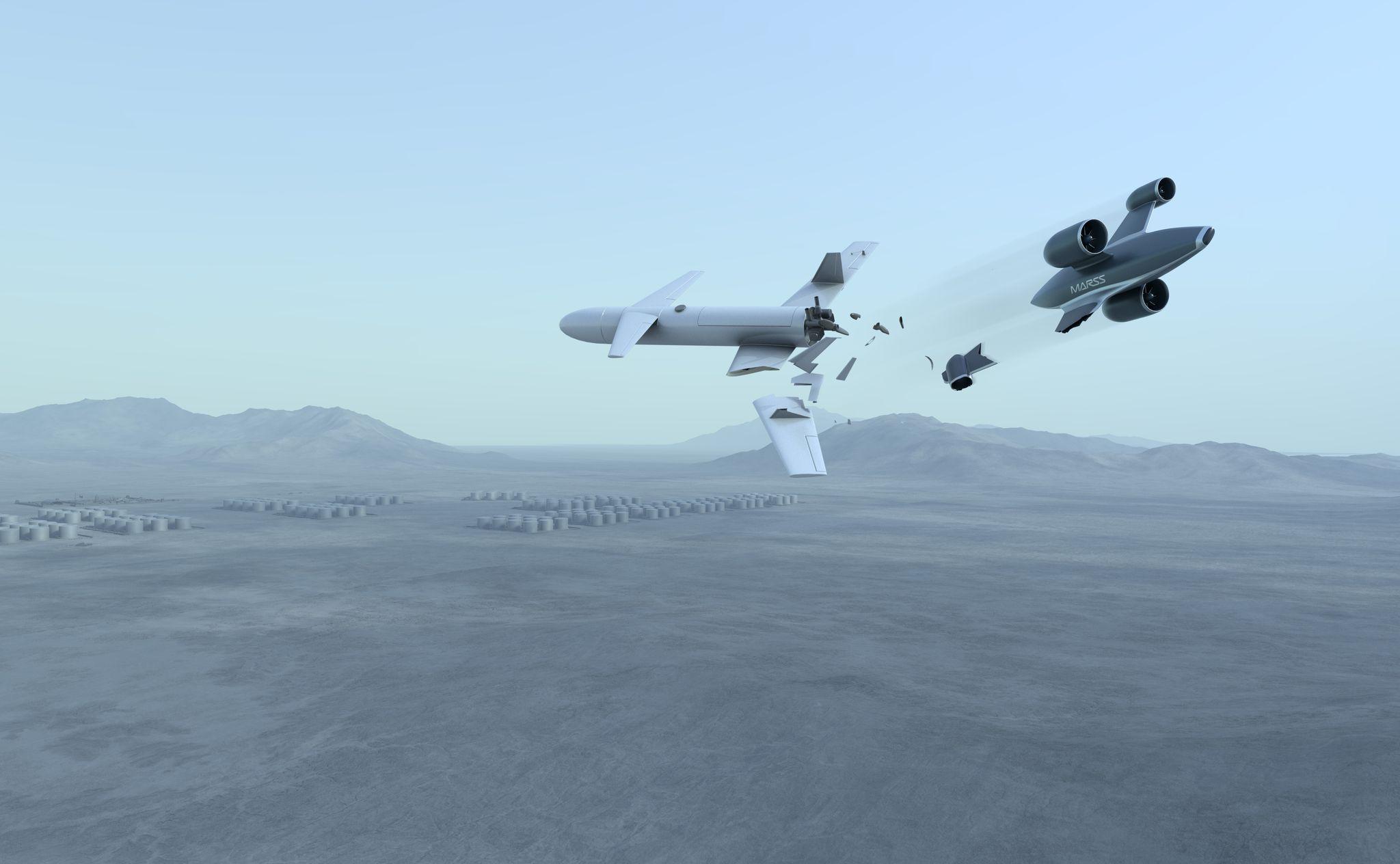
MARSS launches game-changer for the C-UAS market
Live from the inaugural World Defense Show in the Kingdom of Saudi Arabia today, defence & security technology specialist MARSS, launched its latest, never seen before, UAS countermeasure.
NiDAR
|
Event
|
29 April 22
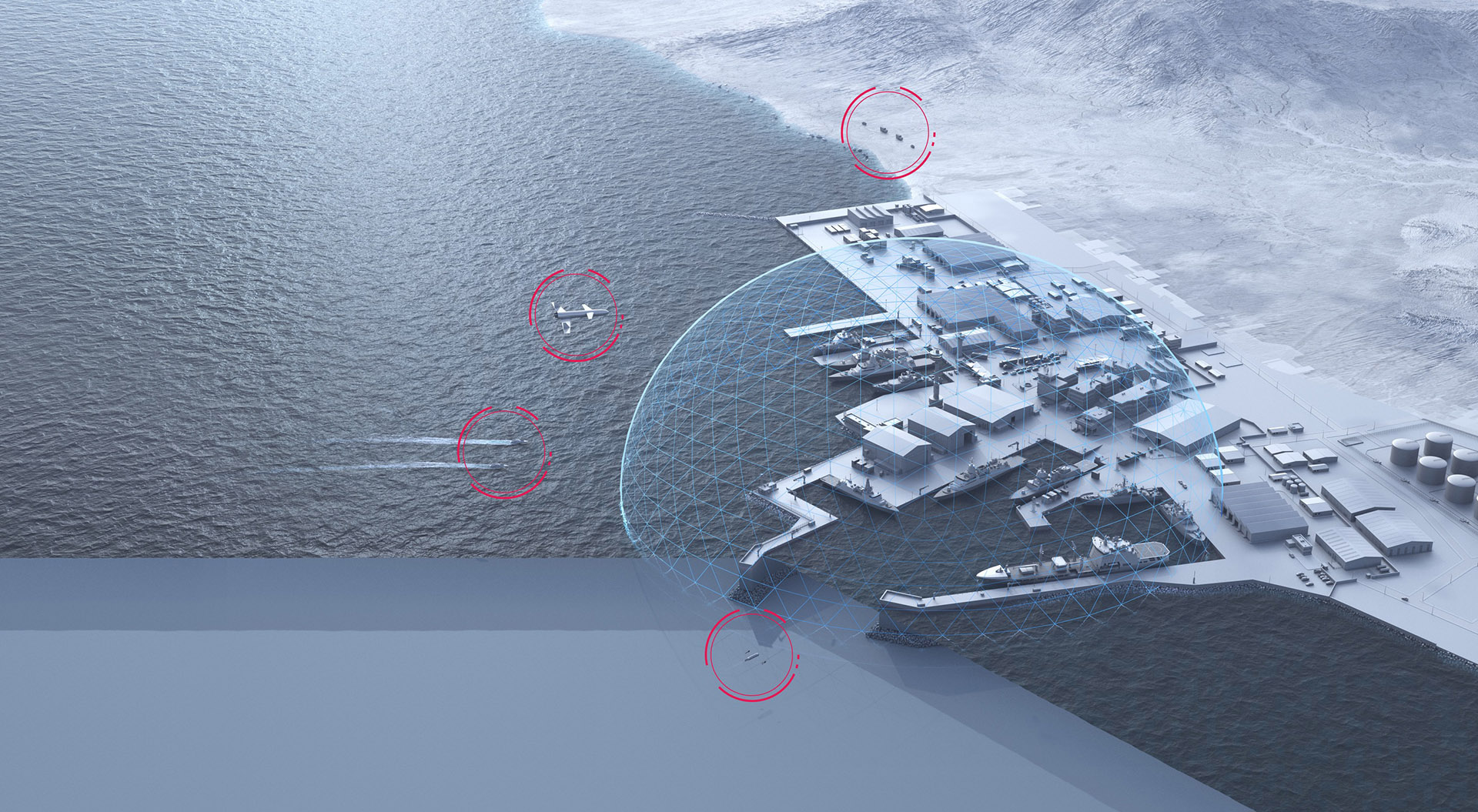
Gold Sponsor MARSS to present NiDAR capability at Maritime Reconnaissance and Surveillance Technology Conference
MARSS is pleased to announce they will be attending and sponsoring the Maritime Reconnaissance and Surveillance Technology Conference in Arlington, VA on May 5-6th. As the Gold Sponsor for the event, MARSS will showcase their range of defense and security capabilities.

LifeOnMARSS
|
25 February 22
MARSS Group announces Jeffrey Tipton appointment to Business Development Director in Defense
A big MARSSian welcome to Jeff Tipton, who was recently appointed as Business Development Director in Defense. Based in Arizona, Jeff brings over 30 years’ international practice in strategy, business development, training, and combat military experience to Team MARSS.
Q&A
|
05 March 22
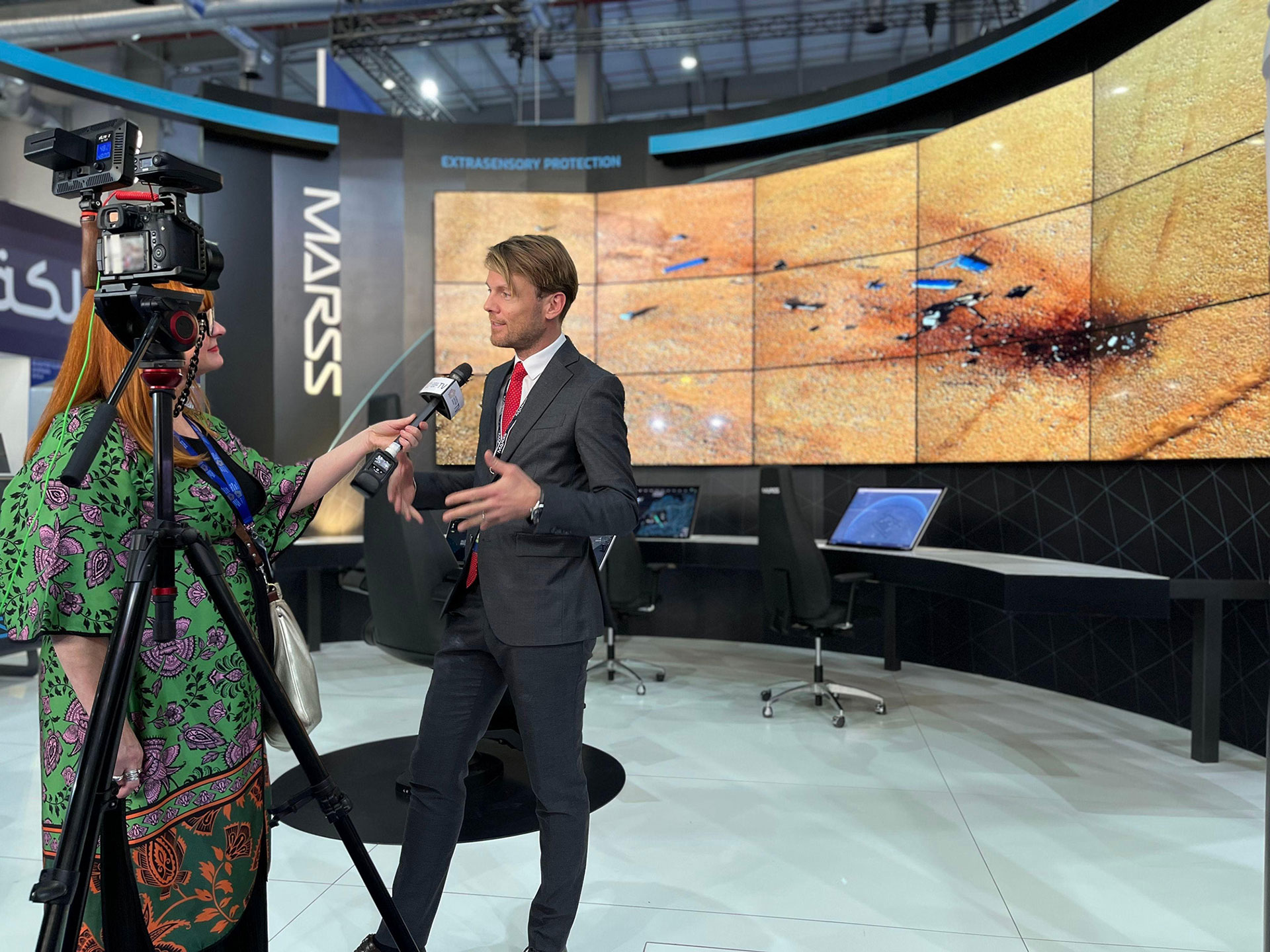
Q&A with MARSS CEO and founder, Johannes Pinl
Johannes Pinl, CEO and Founder of defense & security technology company MARSS, explains how he grew the company from an idea as a university student into a rapidly expanding, cutting-edge high-tech defense company.