NEWS
|
20 May 26 - 3 min read
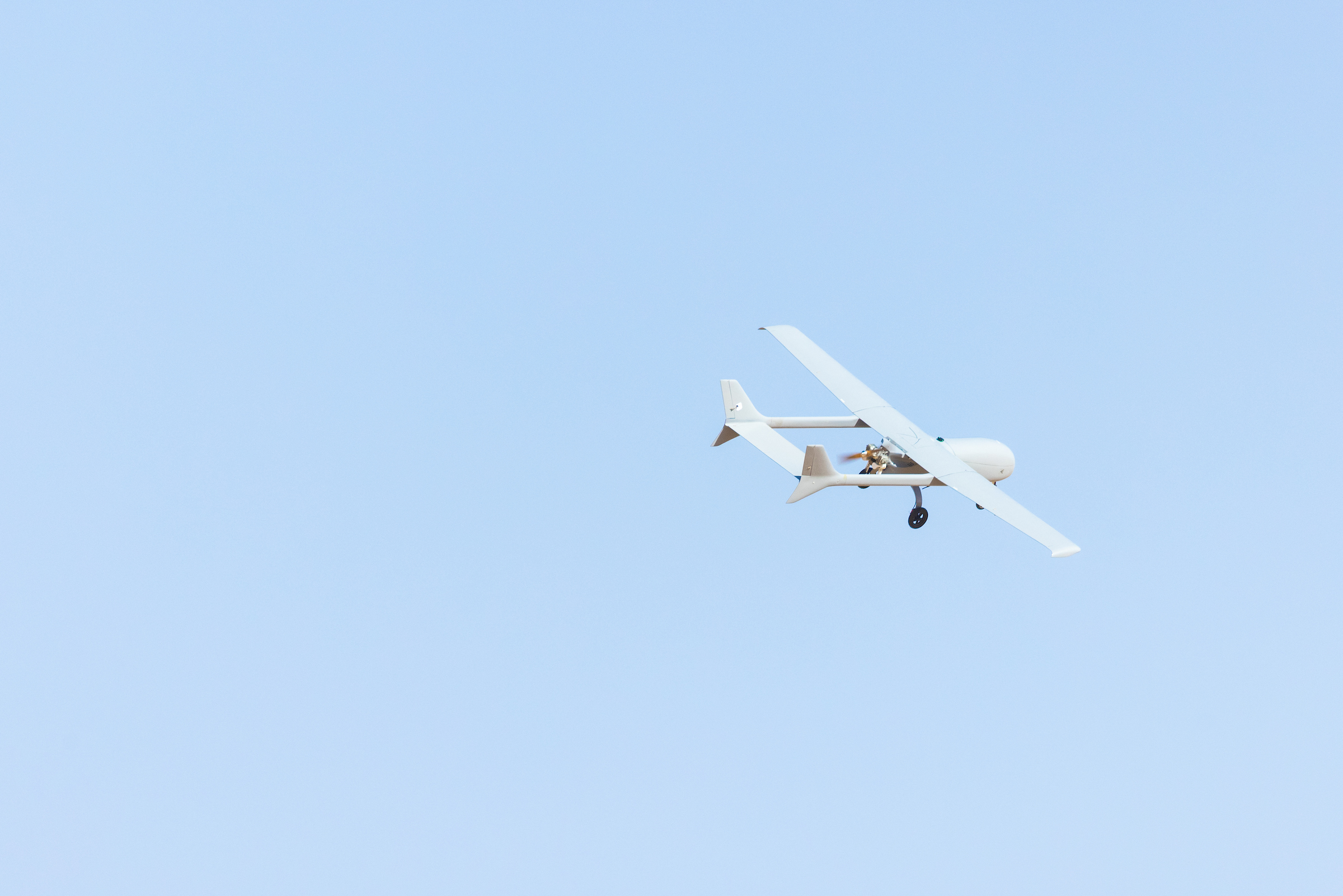
MARSS becomes part of EOS
MARSS is pleased to announce that it is joining Electro Optic Systems (EOS), the Australian defence technology company, following the completion of EOS' acquisition of the MARSS Defence business.

NEWS
|
20 March 26 - 3 min read
MARSS signs MoU with Nigerian MoD valued at over $190M
The multi-year scheme will be among the largest national defence programmes commissioned in Africa, delivering an AI-powered shield to protect Nigeria’s critical infrastructure and borders against asymmetric threats.
Q&A
|
NEWS
|
09 March 26 - 3 min read
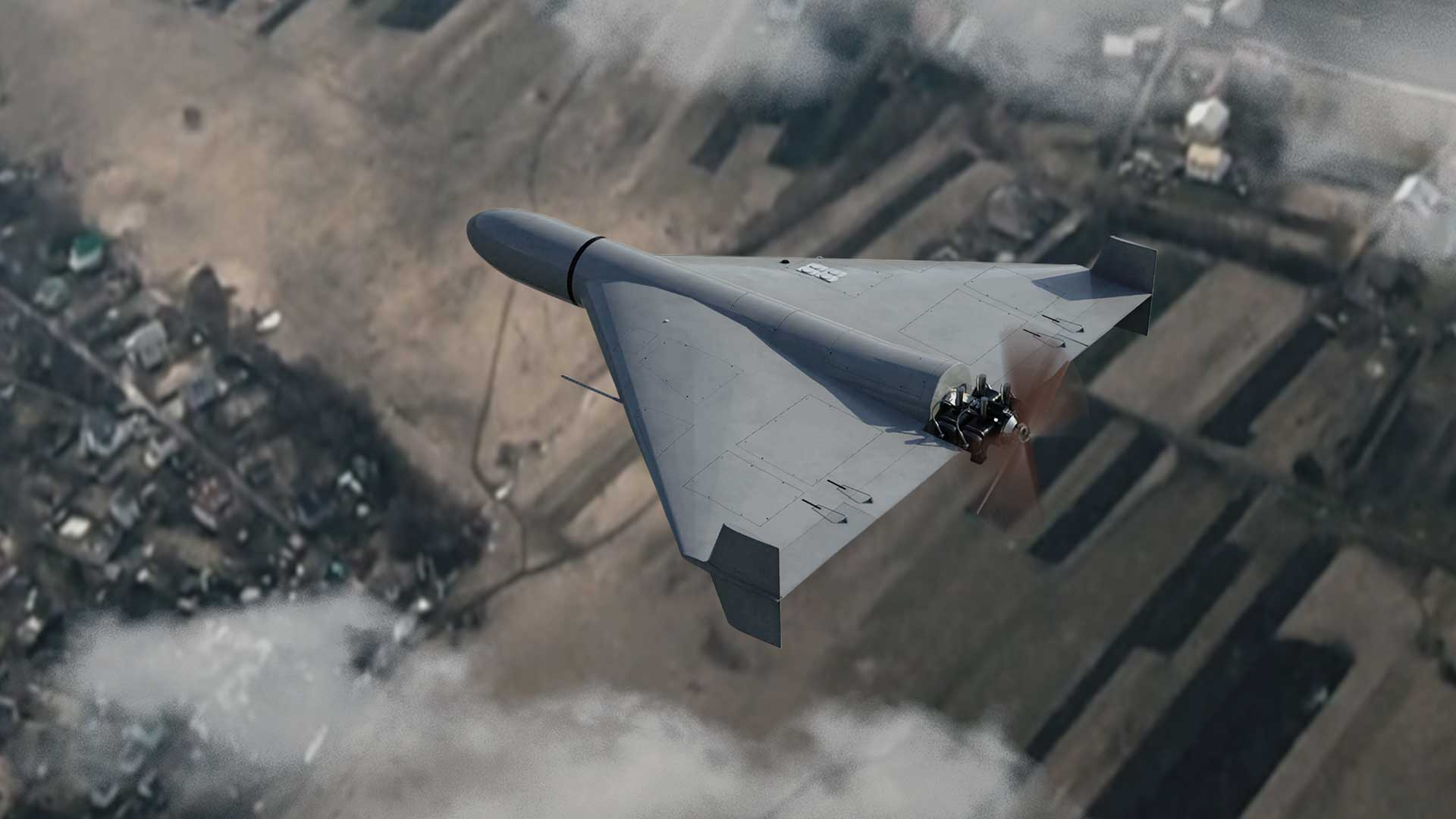
Operational realities from the Middle East frontline
Air defence systems across the Middle East are under unprecedented pressure from mass missile and drone attacks. Defence expert Robbie Draper explains what the media is missing — from human decision-making under fire to the limits of modern defensive architecture.
NEWS
|
12 January 26 - 1 min read
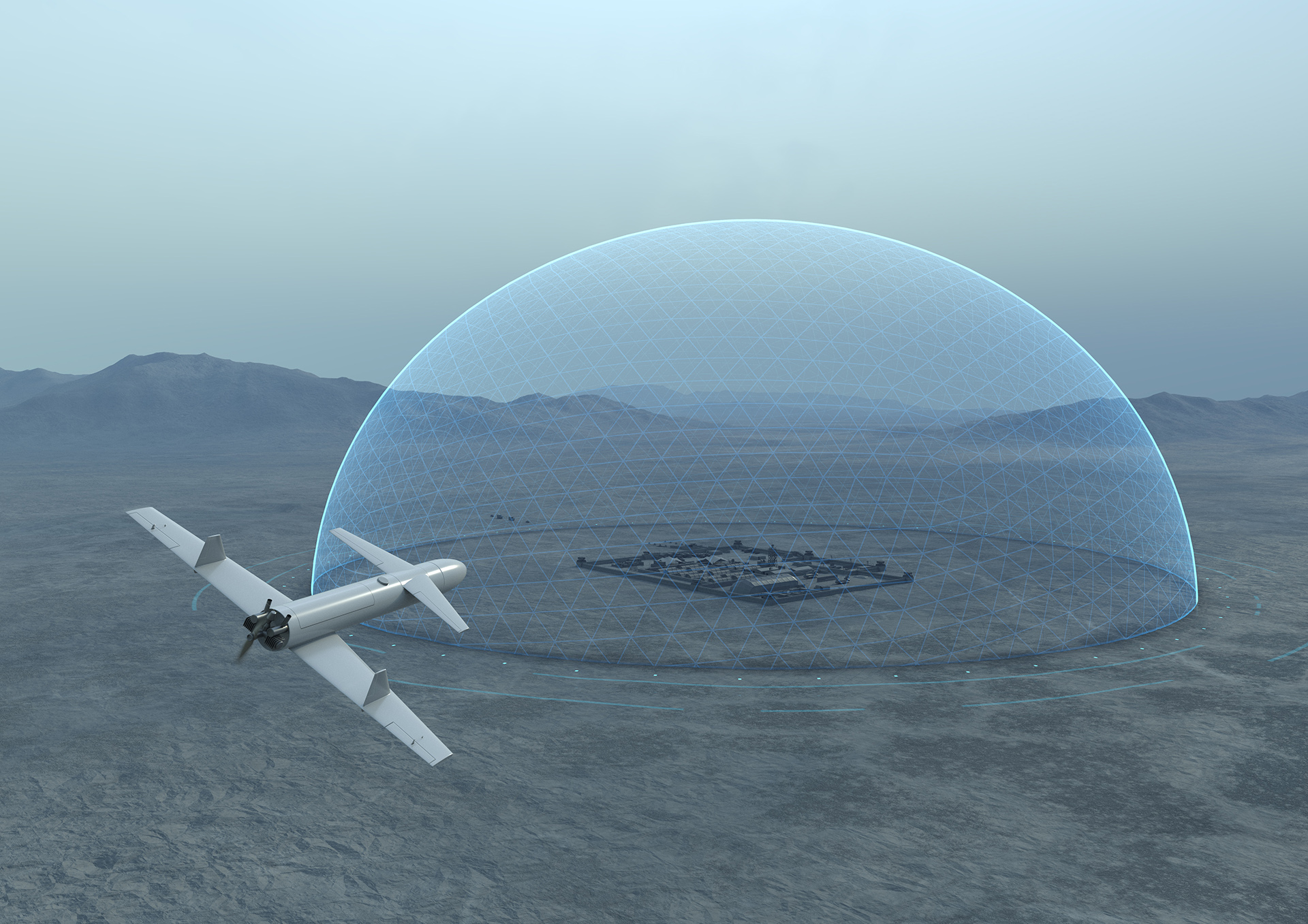
MARSS defence business to be acquired by Electro Optic Systems
MARSS Group, based in London, Riyadh, and Monaco has entered into an agreement for its Defence business to be acquired by Electro Optic Systems (EOS), headquartered in Australia.

PRESS RELEASE
|
21 December 25
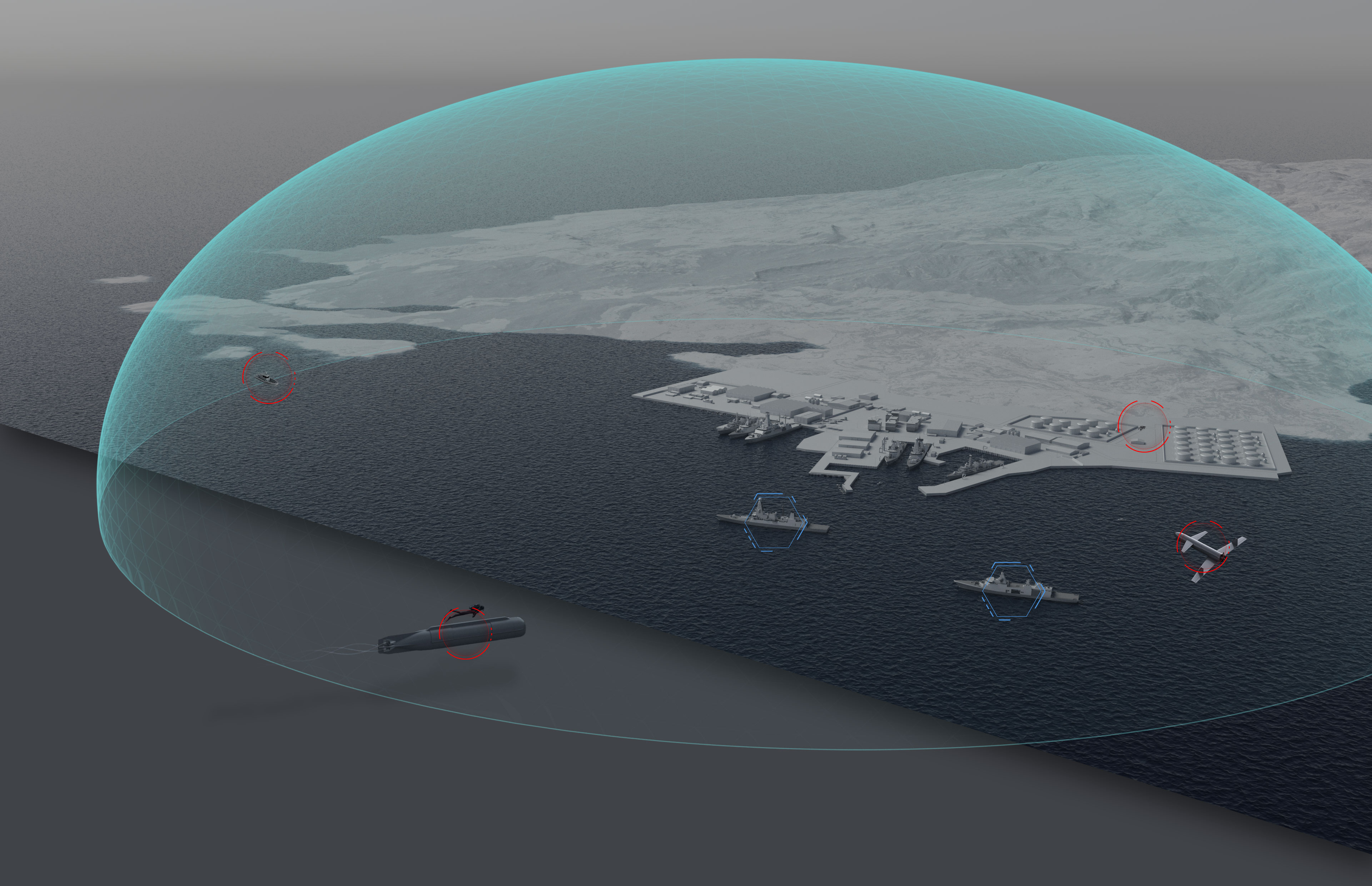
MARSS Powers DAMITA: UAE’s First Fully Integrated CUAS
MARSS announces integral role in DAMITA, the UAE’s first fully indigenous integrated counter-drone and air-defence system.
PRESS RELEASE
|
18 September 25
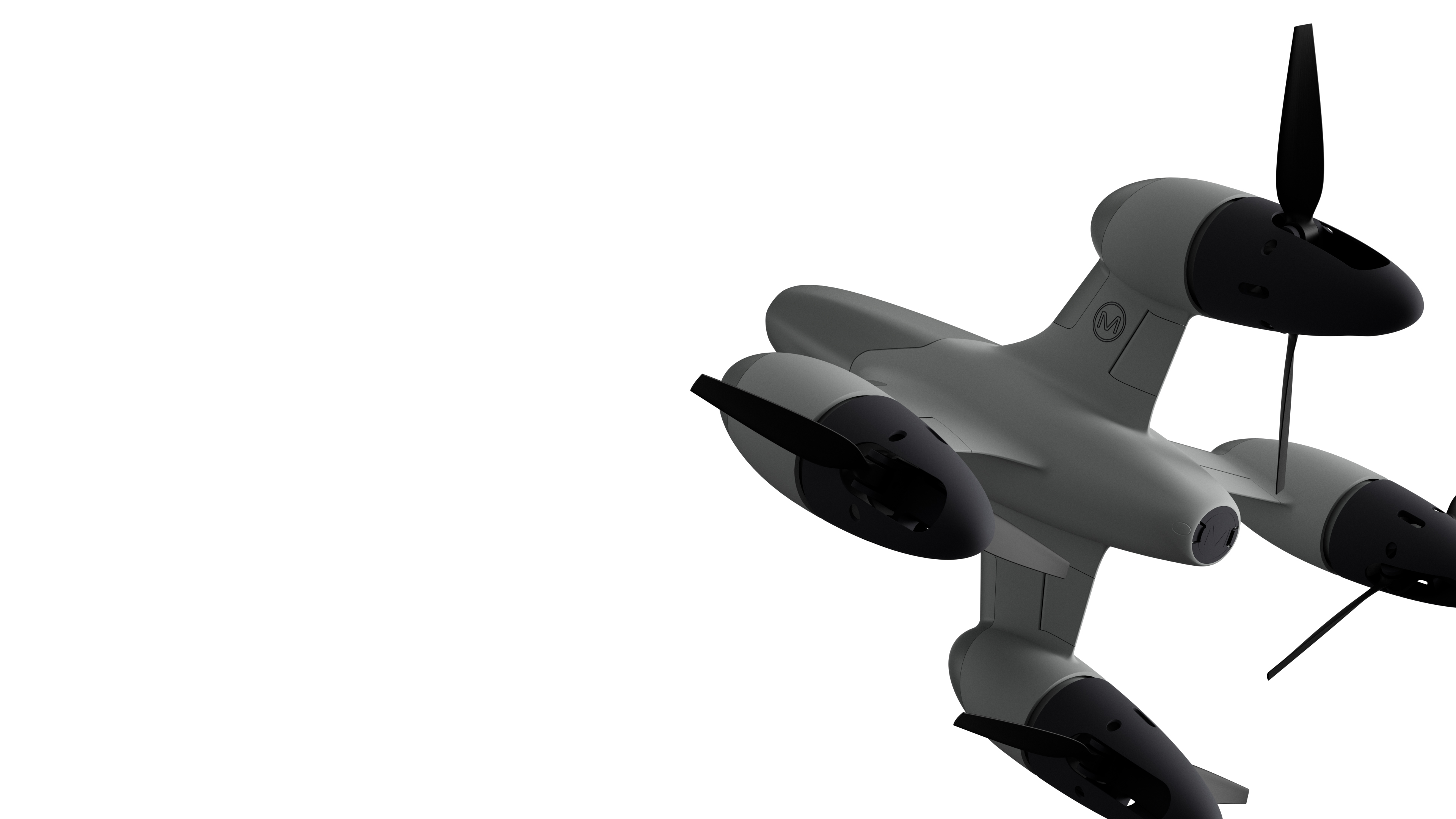
MARSS to showcase latest enhancements in next-generation NiDAR platform at DSEI 2025
New single-screen C4I and battlespace management capabilities will be demonstrated to key defence and security stakeholders.
PRESS RELEASE
|
16 September 25
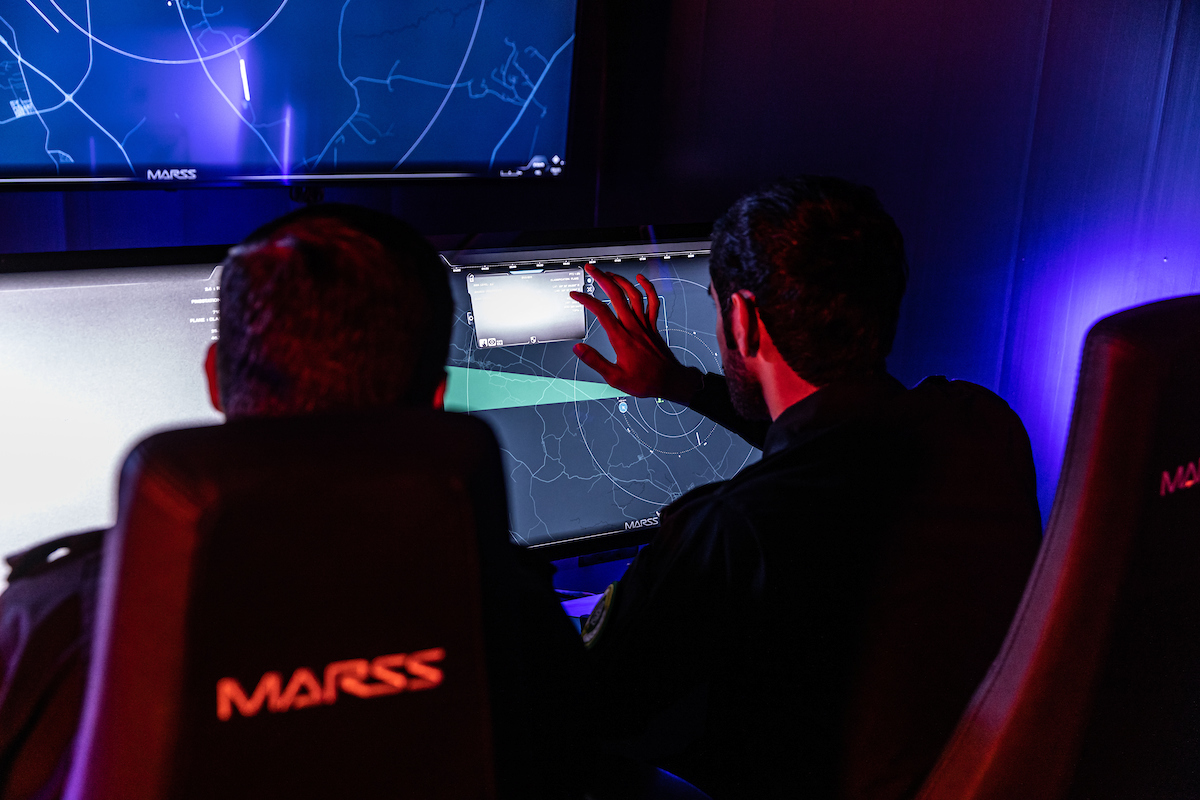
MARSS’s INTERCEPTOR-MR completes flight testing ahead of NATO evaluation
Upgraded algorithms and enhanced machine learning enable INTERCEPTOR to reach major milestone, with NATO member country evaluation confirmed.
PRESS RELEASE
|
18 September 25
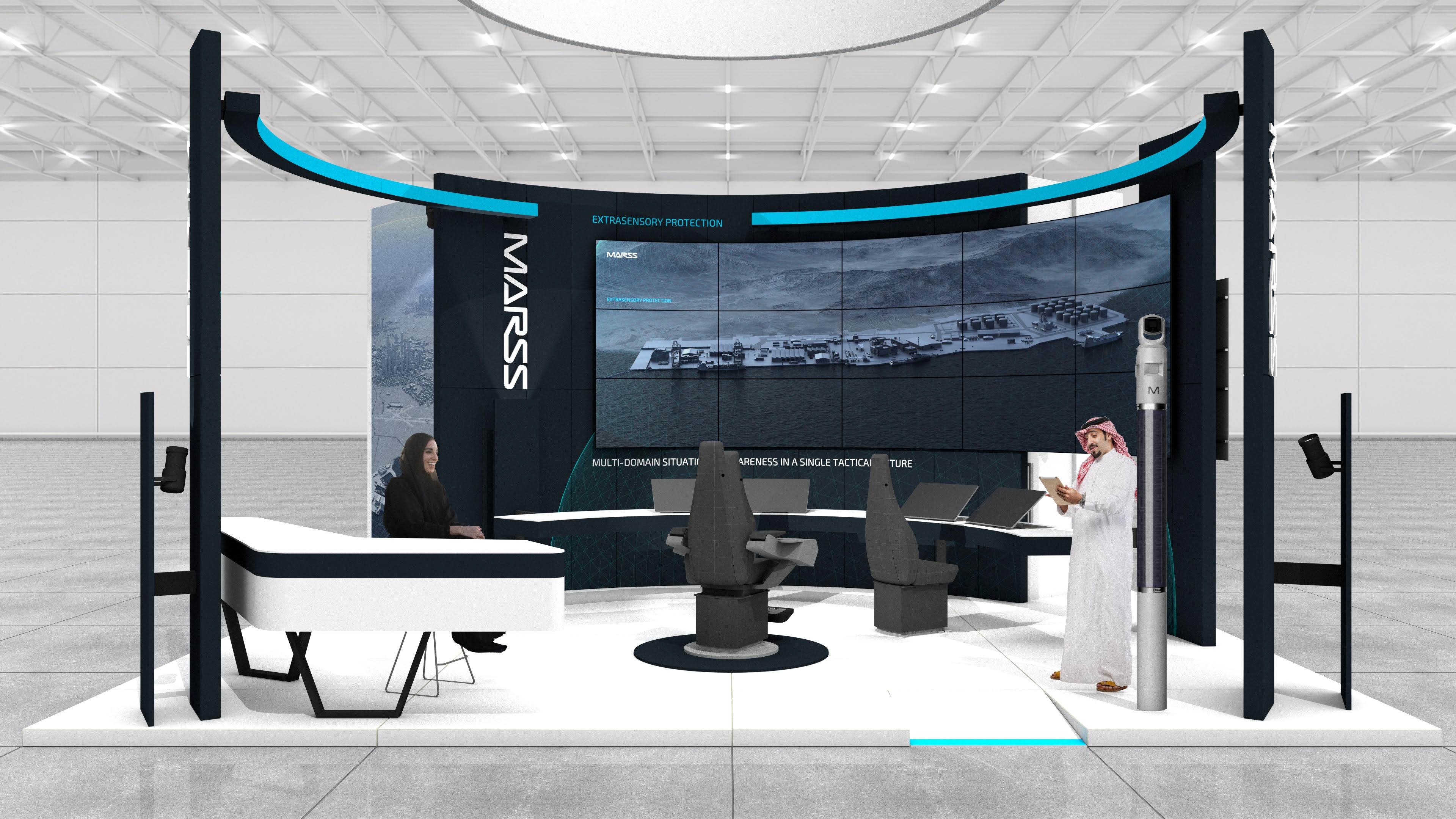
MARSS secures UK Export Finance support for a landmark African nation surveillance
The multi-year programme will be one of the largest UK defence programs for Africa supported by UKEF< delivering expeditionary Command and Control Platforms.
WDS
|
Event
|
19 January 22
MARSS to showcase interactive NiDAR CUAS C2 at the World Defense Show
MARSS is pleased to announce their attendance at the World Defense Show (WDS) in Riyadh on the 6-9th of March. MARSS will be showcasing a variety of capabilities including NiDAR CUAS in a C2 and expeditionary C2 set up, RADiRGUARD, and a new product launch, aimed at the CUAS market.
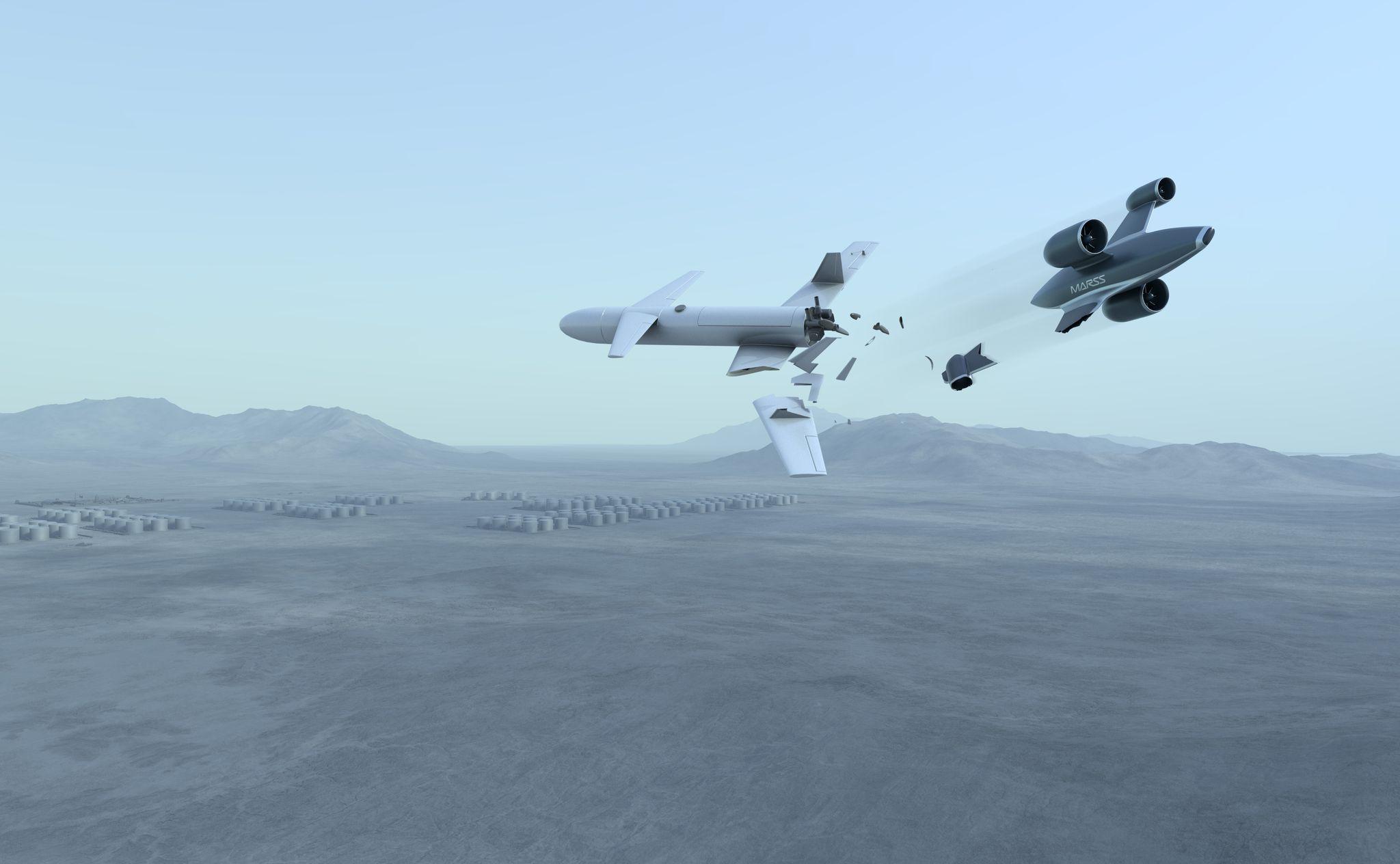
Interceptor
|
Event
|
07 March 22
MARSS launches game-changer for the C-UAS market
Live from the inaugural World Defense Show in the Kingdom of Saudi Arabia today, defence & security technology specialist MARSS, launched its latest, never seen before, UAS countermeasure.
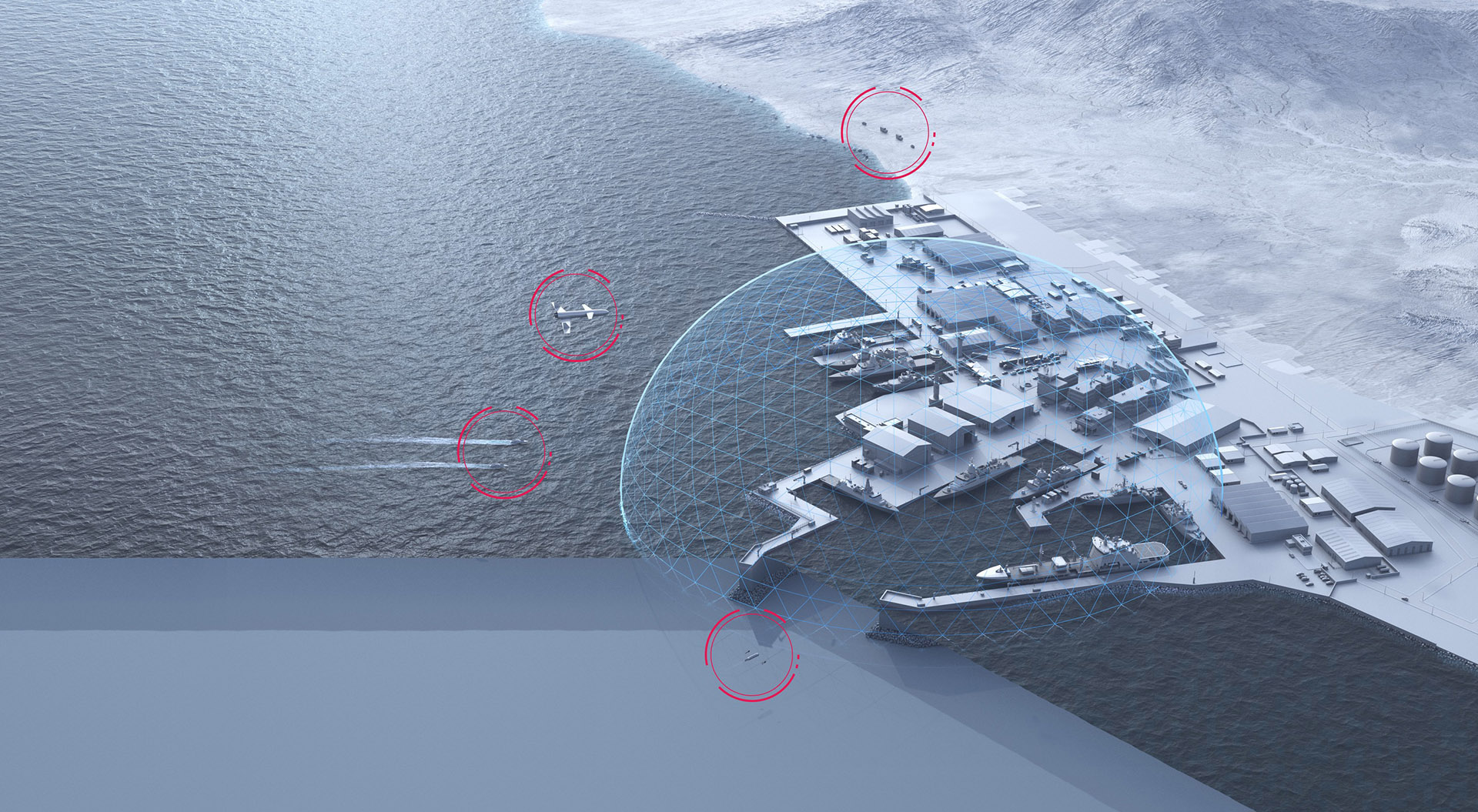
NiDAR
|
Event
|
29 April 22
Gold Sponsor MARSS to present NiDAR capability at Maritime Reconnaissance and Surveillance Technology Conference
MARSS is pleased to announce they will be attending and sponsoring the Maritime Reconnaissance and Surveillance Technology Conference in Arlington, VA on May 5-6th. As the Gold Sponsor for the event, MARSS will showcase their range of defense and security capabilities.

LifeOnMARSS
|
25 February 22
MARSS Group announces Jeffrey Tipton appointment to Business Development Director in Defense
A big MARSSian welcome to Jeff Tipton, who was recently appointed as Business Development Director in Defense. Based in Arizona, Jeff brings over 30 years’ international practice in strategy, business development, training, and combat military experience to Team MARSS.
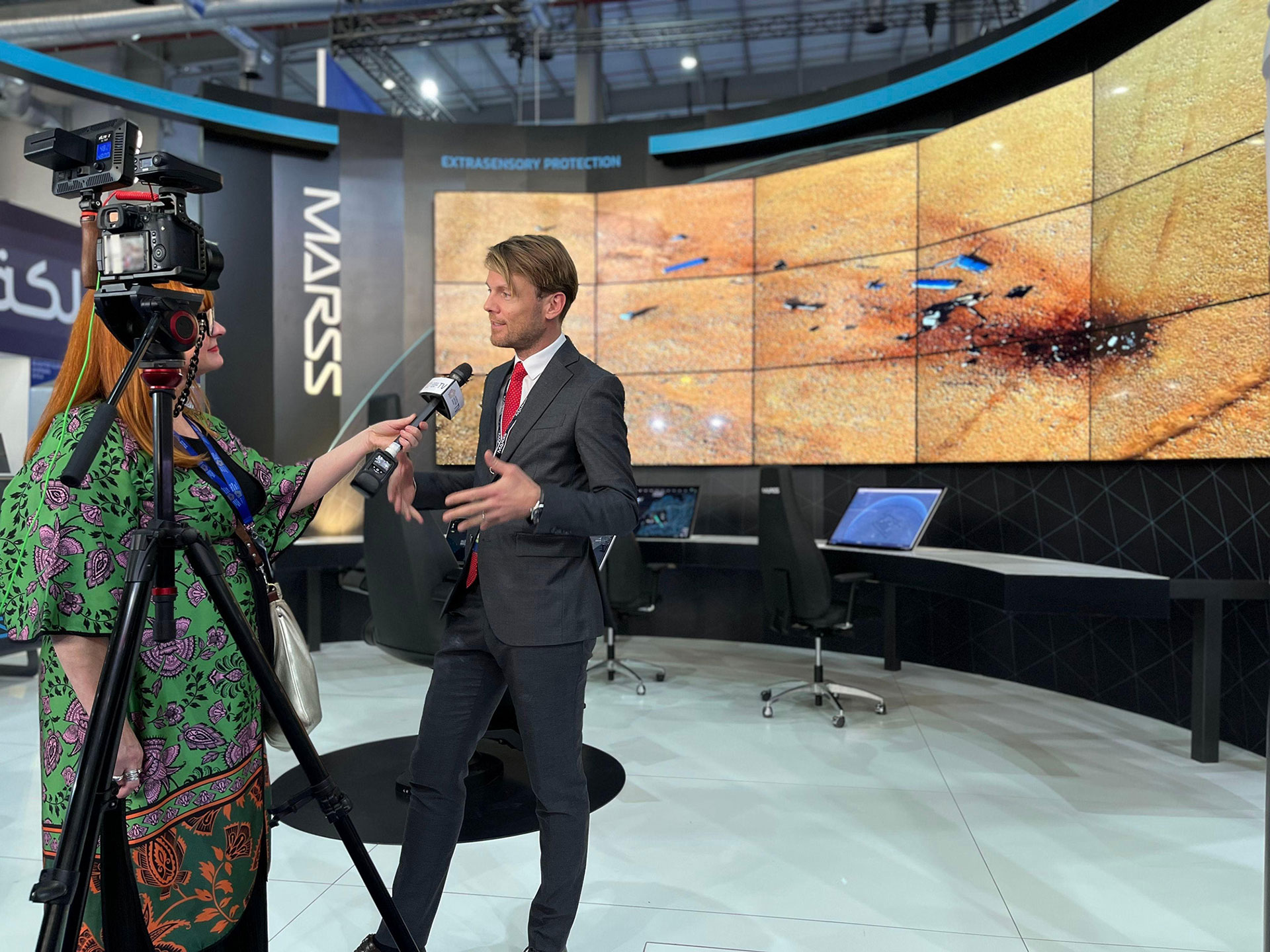
Q&A
|
05 March 22
Q&A with MARSS CEO and founder, Johannes Pinl
Johannes Pinl, CEO and Founder of defense & security technology company MARSS, explains how he grew the company from an idea as a university student into a rapidly expanding, cutting-edge high-tech defense company.